23.10.2026
22.10.2026
27
Oct
2026
28
Find more news and events
Suomeksi
In English
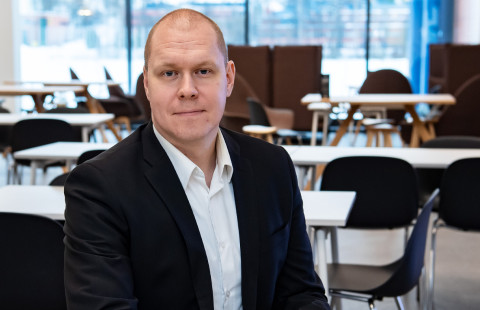
“Medical physics and biomedical engineering are mutually supportive fields. Our programme for medical physicists is one of the field’s most demanding programmes in the world,” Professor Petro Julkunen says.
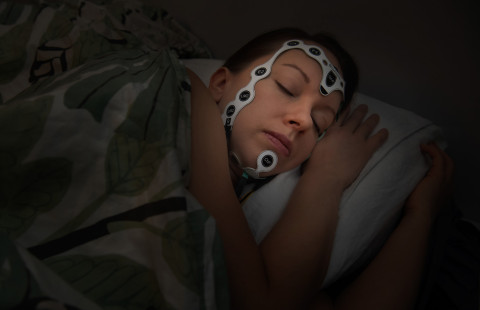
Solutions to shortcomings in the diagnosis of OSA are being sought by the Sleep Technology and Analytics Research (STAR) group at the University of Eastern Finland.
Bone and cartilage research in applied physics initially started as pioneering research. Today, it is recognised as cutting edge all across the globe.
Simpler sensors could enable multi-night sleep recordings, thus providing a more accurate picture of the natural structure of sleep.
The awards ceremony was held on 16 December at Kuopio Campus.
The Climate University network coordinated by the University of Helsinki has formed a teaching cooperation contract between 18 universities. A majority of Finnish university students can take the network’s climate and sustainability -themed courses.
The University of Eastern Finland participates in six of the funded FIRI consortia, and funding for the development of infrastructures was granted to all faculties of the university.
Researchers of the Department of Applied Physics at the University of Eastern Finland and Natural Resources Institute Finland (Luke Maaninka) unite their forces in a project started in 2021.
The doctoral dissertation in the field of Applied Physics will be examined at the Faculty of Science and Forestry at Kuopio Campus.
The doctoral dissertation in the Applied Physics will be examined at the Faculty of Science and Forestry at Kuopio Campus.