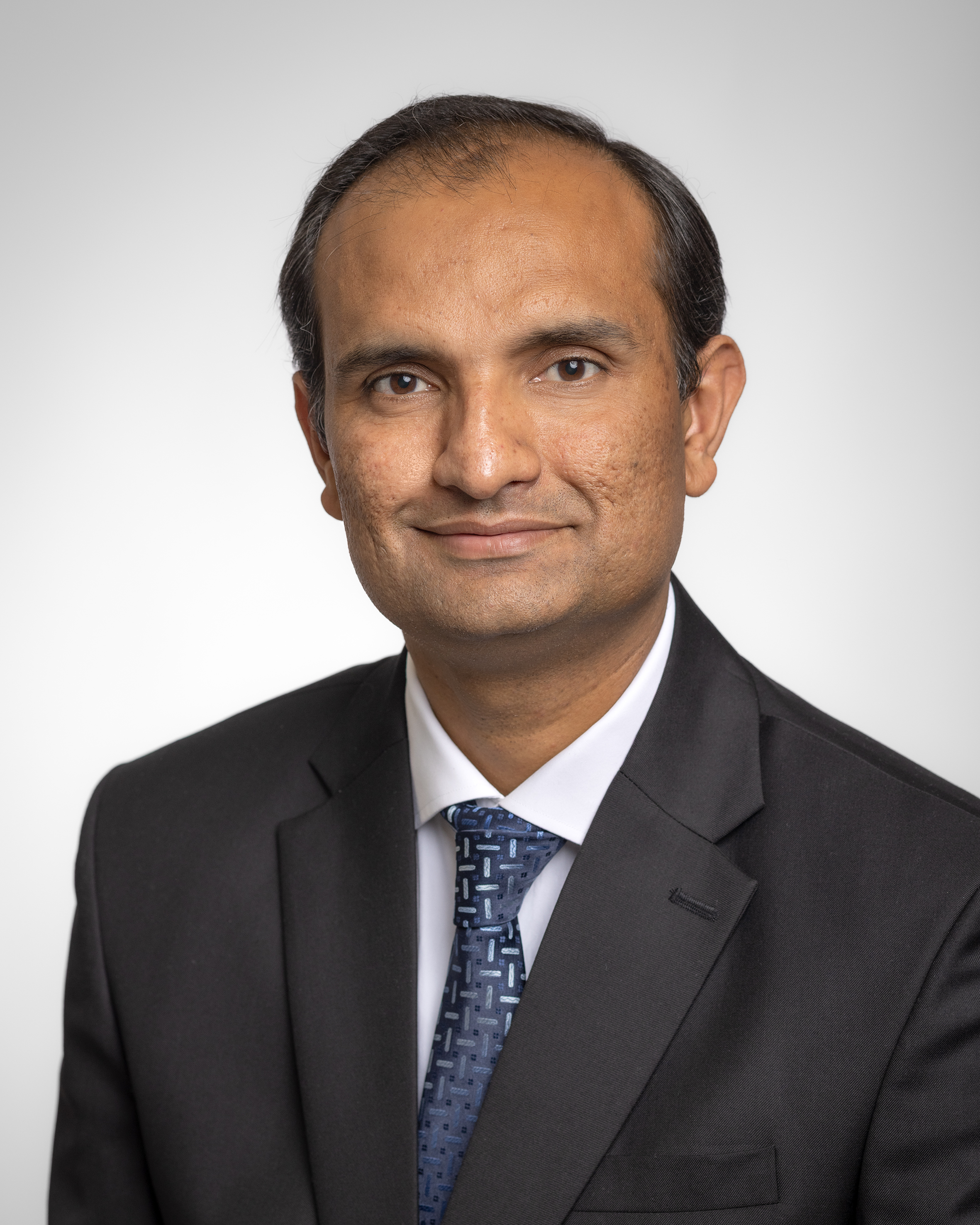


The doctoral dissertation in the field of Pharmacoepidemiology will be examined at the Faculty of Health Sciences at Kuopio Campus.
What is the topic of your doctoral research? Why is it important to study the topic?
Cardiovascular diseases are common among persons living with Alzheimer's disease (AD) and Parkinson's disease (PD). Understanding the drug utilisation patterns in these populations is important for ensuring safe and effective treatment, supporting clinical decision-making, and improving the overall care of persons living with AD and PD. However, little is known about how the use of oral anticoagulants and cardiovascular drugs changes during the progress of these disorders. My doctoral research examined the prevalence of oral anticoagulants and cardiovascular drug use among persons with AD and PD in Finland five years before and five years after the diagnosis. In addition, research investigated whether the commonly used diuretic furosemide is associated with the risk of developing PD.
What are the key findings or observations of your doctoral research?
The research showed that the use of oral anticoagulants among persons with AD increased before diagnosis but declined after diagnosis. This decline may reflect concerns about safety issues, such as falls and other adverse events, as the disease progresses.
Among persons with PD, the use of oral anticoagulants remained relatively stable after diagnosis, suggesting that healthcare professionals considered the benefits of oral anticoagulant therapy to outweigh the associated potential risks. However, the use of cardiovascular drugs declined after PD diagnosis among persons with PD. This may be related to disease progression symptoms such as orthostatic hypotension and weight loss.
The dissertation also investigated whether furosemide could reduce the risk of PD. Earlier studies had suggested a possible protective effect, but findings of this dissertation did not show an overall association between furosemide use and PD risk. However, a weak inverse association was observed at the highest exposure levels of furosemide, but this finding requires further investigation.
A particular strength of this research is the use of large nationwide Finnish healthcare registers with long follow-up periods. This made it possible to examine real-world drug use patterns five years before and five years after the diagnosis among tens of thousands of community-dwelling individuals of Finland with clinically verified diagnosis of AD and PD.
How can the results of your doctoral research be utilised in practice?
The findings highlight the importance of regular drug use reviews for persons with AD and PD in clinical practice. As these conditions progress, the balance between the benefits and risks of oral anticoagulants and cardiovascular drugs use may change. Continuous assessment can help healthcare professionals to identify potentially inappropriate treatments and reduce the risk of adverse drug events.
The study also provides methodological lessons for pharmacoepidemiological research by emphasising the importance of considering confounding by indication and appropriate exposure assessment when evaluating potential drug-related risk factors for disease. Furthermore, the findings can guide future research on drug use among persons with AD and PD and disease risk among persons with PD. The results can also support both clinical practice and future pharmacoepidemiological research.
What are the key research methods and materials used in your doctoral research?
This doctoral research was based on two large nationwide Finnish register studies: the Medication Use and Alzheimer's Disease (MEDALZ) study and the Finnish Parkinson's Disease (FINPARK) study. These databases contain information from several national healthcare registers and enable follow-up of drug use and health outcomes. The research included more than 70,000 persons with AD and more than 22,000 persons with PD, together with matched comparison groups without these disorders. Drug use was examined over a ten-year period spanning five years before and five years after the diagnosis. The studies applied longitudinal epidemiological methods to assess changes in drug use over time. In addition, a nationwide nested case-control study was conducted to investigate whether furosemide use was associated with the risk of PD. Comprehensive register data made it possible to study drug utilisation patterns and drug-disease associations in real-world settings and large populations.
The doctoral dissertation of Barkat Babar, MPH, entitled Use of oral anticoagulants and cardiovascular drugs among persons with neurodegenerative disorders, will be examined at the Faculty of Health Sciences. The Opponent in the public examination will be Professor Jenni Kulmala of Tampere University, and the Custos will be Professor Anna-Maija Tolppanen of the University of Eastern Finland. The public examination will be held in English.
Doctoral dissertation
For further information, please contact:
Barkat Babar, MPH, [email protected], +358466363219