The doctoral dissertation in the field of Chemistry will be examined at the Faculty of Science, Forestry and Technology, Joensuu campus.


What is the topic of your doctoral research? Why is it important to study the topic?
My doctoral research focused on the thermochemical conversion of biomass side-streams and synthetic polymer waste through hydrothermal and solvothermal liquefaction. The research investigated hydrothermal and solvothermal processing of selected lignocellulosic fractions and polymer waste materials to recover valuable liquid products that could serve as sources of sustainable fuels, platform chemicals, and other value-added products. A special emphasis was placed on improving feedstock conversion, separating product fractions, and understanding their chemical composition using advanced analytical techniques.
This research is important because large quantities of biomass residues and polymer waste are available but remain underutilized or are difficult to recycle. Developing alternative conversion routes can help recover valuable resources, reduce reliance on fossil raw materials, and support the transition towards a more sustainable and circular economy.
What are the key findings or observations of your doctoral research?
The research demonstrates the potential of hydrothermal and solvothermal processing to convert diverse biomass residues and polymer waste into valuable liquid products. The findings show that feedstock characteristics and solvent selection strongly influence conversion behaviour, product yields, and chemical composition. Sequential solvent-based processing of pine bark also enabled the recovery of valuable extractive- and hemicellulose-rich fractions. In addition, the conversion of plastics and scrap tires produced liquid products with distinct chemical characteristics, highlighting the importance of understanding the composition of different waste-derived feedstocks.
An important aspect of this research was the use of advanced analytical methods, particularly ultrahigh-resolution FT-ICR mass spectrometry to investigate complex liquid products at the molecular level. This provides detailed information about their chemical composition and transformations, which is often difficult to obtain using only conventional analytical methods. Combining thermochemical processing with advanced molecular characterization offers valuable knowledge for developing more effective strategies to recover resources from underutilized biomass and polymer waste, supporting future advances in sustainable processing and the circular economy.
How can the results of your doctoral research be utilised in practice?
The results can support the development of processes for converting underutilized biomass residues and difficult-to-recycle polymer waste into valuable liquid products and chemical feedstocks. The findings on feedstock conversion, solvent selection, product recovery, and chemical composition can help guide process development and the selection of suitable raw materials for future biorefinery and chemical recycling applications. In particular, the molecular-level characterization provides valuable information for evaluating product quality and identifying potential applications and further upgrading opportunities. These insights can contribute to more efficient resource recovery, reduced waste generation, and the development of sustainable alternatives to fossil-based raw materials.
What are the key research methods and materials used in your doctoral research?
My research investigated the thermochemical valorisation of biomass and polymer waste through hydrothermal and solvothermal liquefaction. The materials studied included lignin, softwood bark, sawdust, biosludge, and waste polymers such as polystyrene and scrap tire waste. Experiments were conducted using a high-pressure batch reactor under controlled temperature, pressure, and solvent conditions, using both water and organic solvents. The resulting liquid, solid, and gaseous products are evaluated in terms of yield, elemental composition, energy content, and chemical characteristics. Key analytical techniques include elemental analysis, gas chromatography–mass spectrometry, Fourier transform ion cyclotron resonance mass spectrometry and spectroscopic methods. The aim was to understand how feedstock properties and processing conditions influence product yields and composition and to assess the potential of these waste streams as renewable sources of fuels and valuable chemicals.
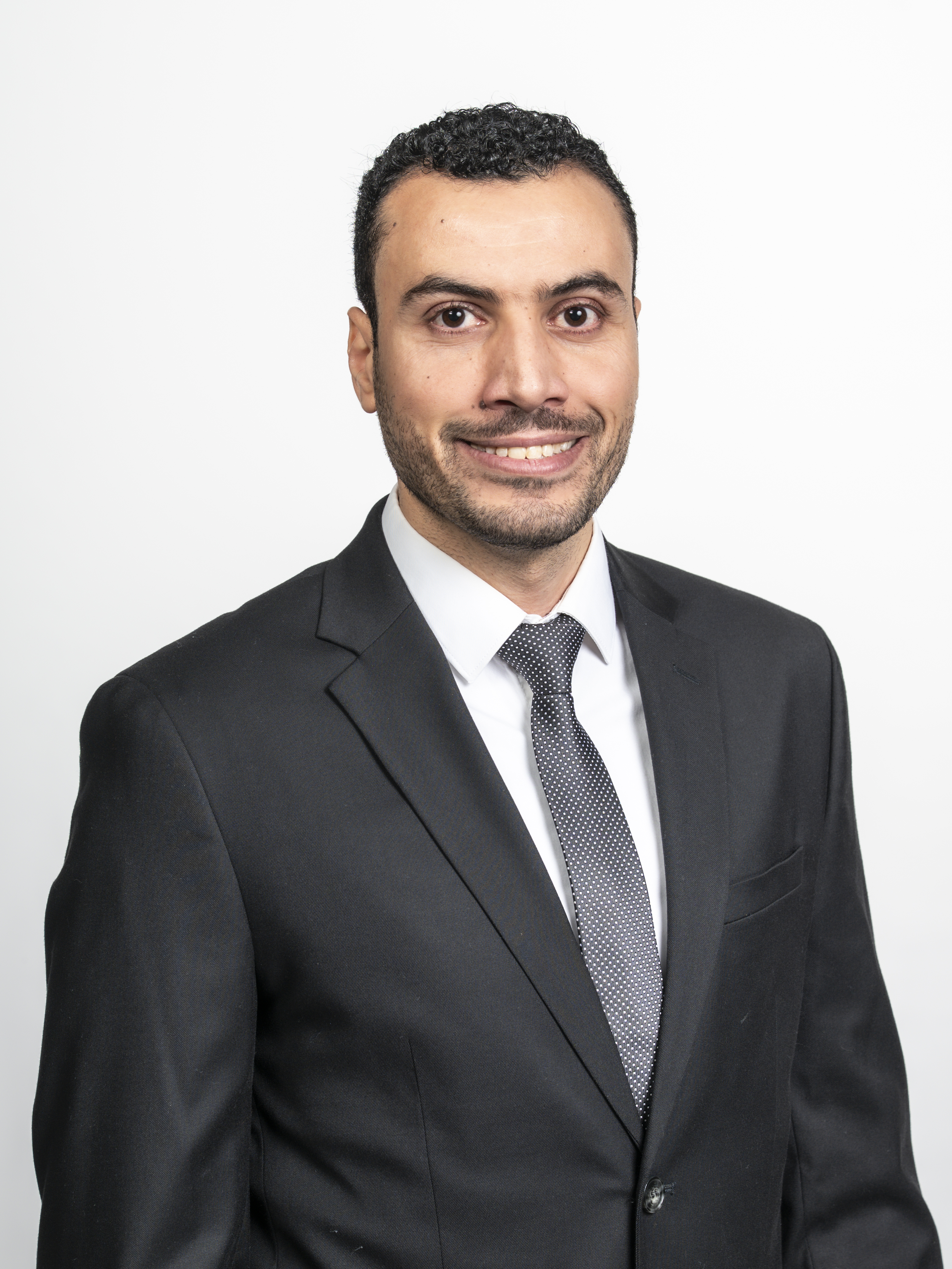
The doctoral dissertation of Mahmoud Negm, MSc, entitled Thermochemical conversion of biomass side-streams and polymer waste by hydrothermal and solvothermal liquefaction will be examined at the Faculty of Science, Forestry and Technology, Joensuu campus. The opponent will be Professor Frédéric Aubriet, University of Lorraine, and the custos will be Professor Janne Jänis, University of Eastern Finland. Language of the public defence is English.
For further information, please contact:
Mahmoud Negm, [email protected], tel.+358 45 342 9112