
The doctoral dissertation in the field of Forest Science will be examined at the Faculty of Science, Forestry and Technology, Joensuu campus and online.


What is the topic of your doctoral research? Why is it important to study the topic?
My doctoral research examines forest professionals’ relationships with forests – that is, the meanings they attach to forests – and the role of these meanings in forest-related conflicts. Forest professionals work in various roles in forest governance, use, and conservation, and their decisions and actions shape forests as environments, affecting both ecosystems and people. Forests hold multiple and often conflicting meanings for different groups, leading to diverse expectations and demands regarding their use.
In their work, forest professionals encounter this diversity and are frequently involved in related conflicts. Ongoing environmental crises and societal changes challenge the traditional foundations of the profession. Alongside long-standing economic values, increasing emphasis is placed on ecological and social sustainability and more regenerative economic approaches. As a result, sustainability transitions in forest use are accompanied by growing professional uncertainty.
What are the key findings or observations of your doctoral research?
The concept of human-forest relationship developed in this research enables the identification and analysis of the meanings people attach to forests, including their links to past experiences and future expectations. It captures both embodied, life-history-based dimensions and broader cultural, institutional, and societal influences shaping these meanings. The interviewed forest professionals associate forests with a wide range of meanings formed through personal life histories and professional culture. Forests represent security, continuity, and livelihood, but also embodied and intergenerational belonging. Professional expertise strengthens feelings of ownership over forests.
At the same time, dominant professional practices often define forests in resource-oriented ways. However, participants also express more intrinsic and relational meanings, which may diverge from dominant professional norms. Such meanings are often more difficult to articulate within professional community and may remain unspoken. Professional meanings also shape forest conflicts. Criticism of forest use is experienced as personal and directed at professional identity, leading to resistance. Prevailing definitions of knowledge may limit the recognition of alternative views, creating tensions between professionals and other actors. At the same time, the diversity of HFRs and care-oriented attitudes among professionals offers potential for developing new practices in sustainability transitions
How can the results of your doctoral research be utilised in practice?
The findings have several practical implications. First, they enhance understanding of the nature and dynamics of forest conflicts, supporting the development of conflict management approaches as well as education and training in the forest sector.
Second, making visible the dependencies and opportunities embedded in forest professional culture can promote innovation in the forest sector, particularly in the context of sustainability transitions.
Third, increased awareness of forest-related meanings and professional cultural influences can support the well-being of forest professionals. The ability to recognize how personal and professional meanings are formed can also improve understanding of one’s own responses and stress in interaction situations.
What are the key research methods and materials used in your doctoral research?
In the conceptual part of the dissertation, I developed the concept of HFR through interdisciplinary literature. In the empirical part, I applied this concept to study forest professionals’ relationships with forests and forest conflict in digital media. I conducted interviews with 37 Finnish forest professionals. The interview data were analysed using Interpretative Phenomenological Analysis, which enables in-depth exploration of participants’ experiences and meaning-making. The digital media data were collected from the campaign, which supported a citizens’ initiative to stop clear-cutting on state-owned lands. These data were analysed using narrative emotion analysis and qualitative content analysis.
The dissertation was part of the project The Human-Forest Relationships in Societal Change. Since 2023, the work has continued within the Research Council of Finland’s UNITE Flagship.
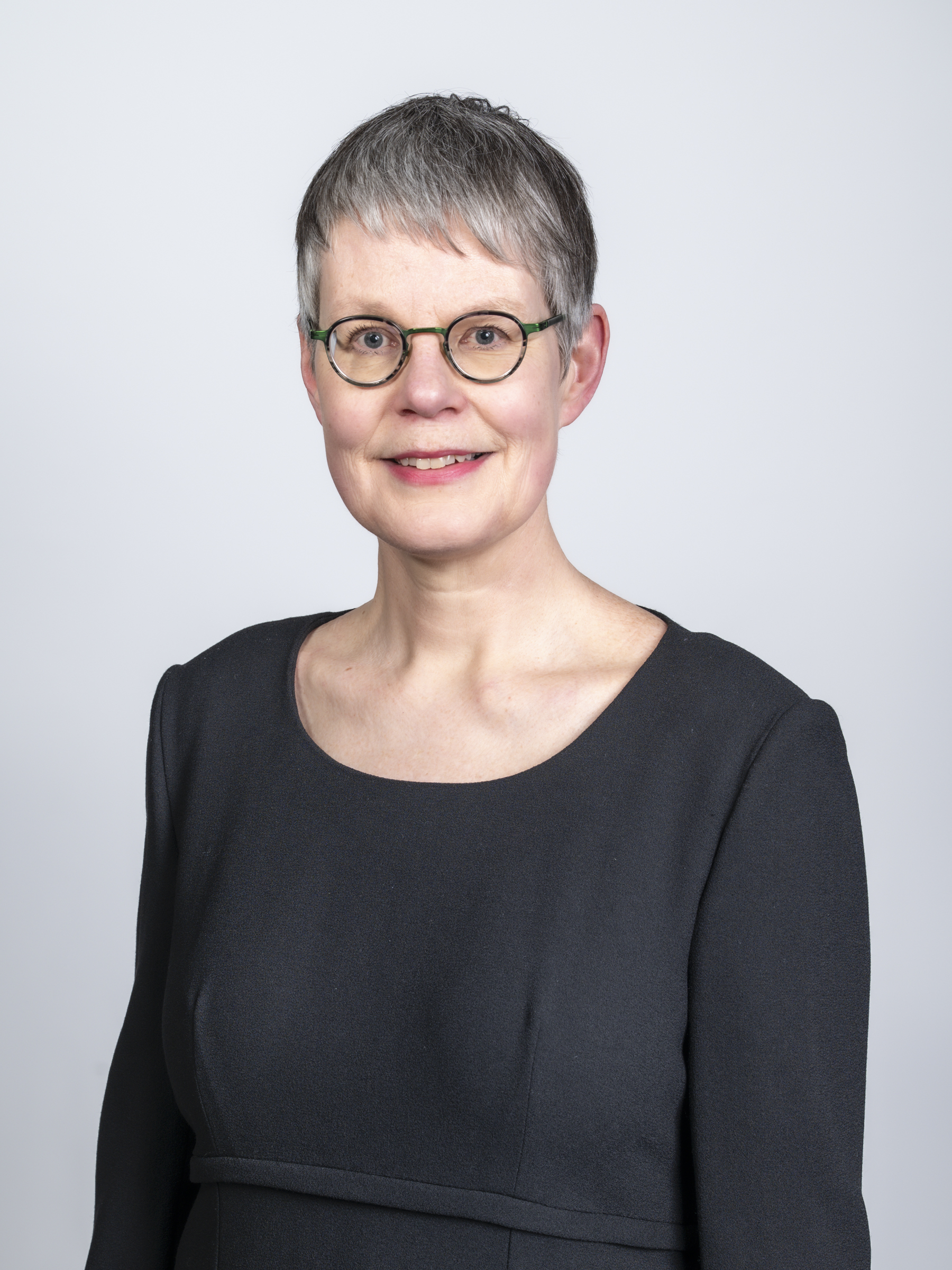
The doctoral dissertation of Tuulikki Halla, MSocSci, Forest Engineer, entitled Forest professionals’ relationship with the forest and its role in changing and contested forest contexts will be examined at the Faculty of Science, Forestry and Technology, Joensuu campus and online. The opponent will be Professor Shannon Hagerman, University of British Columbia, Canada, and the custos will be Professor Jukka Tikkanen, University of Eastern Finland. Language of the public defence is English.
For further information, please contact:
Tuulikki Halla, [email protected], tel. +358 50 303 5617