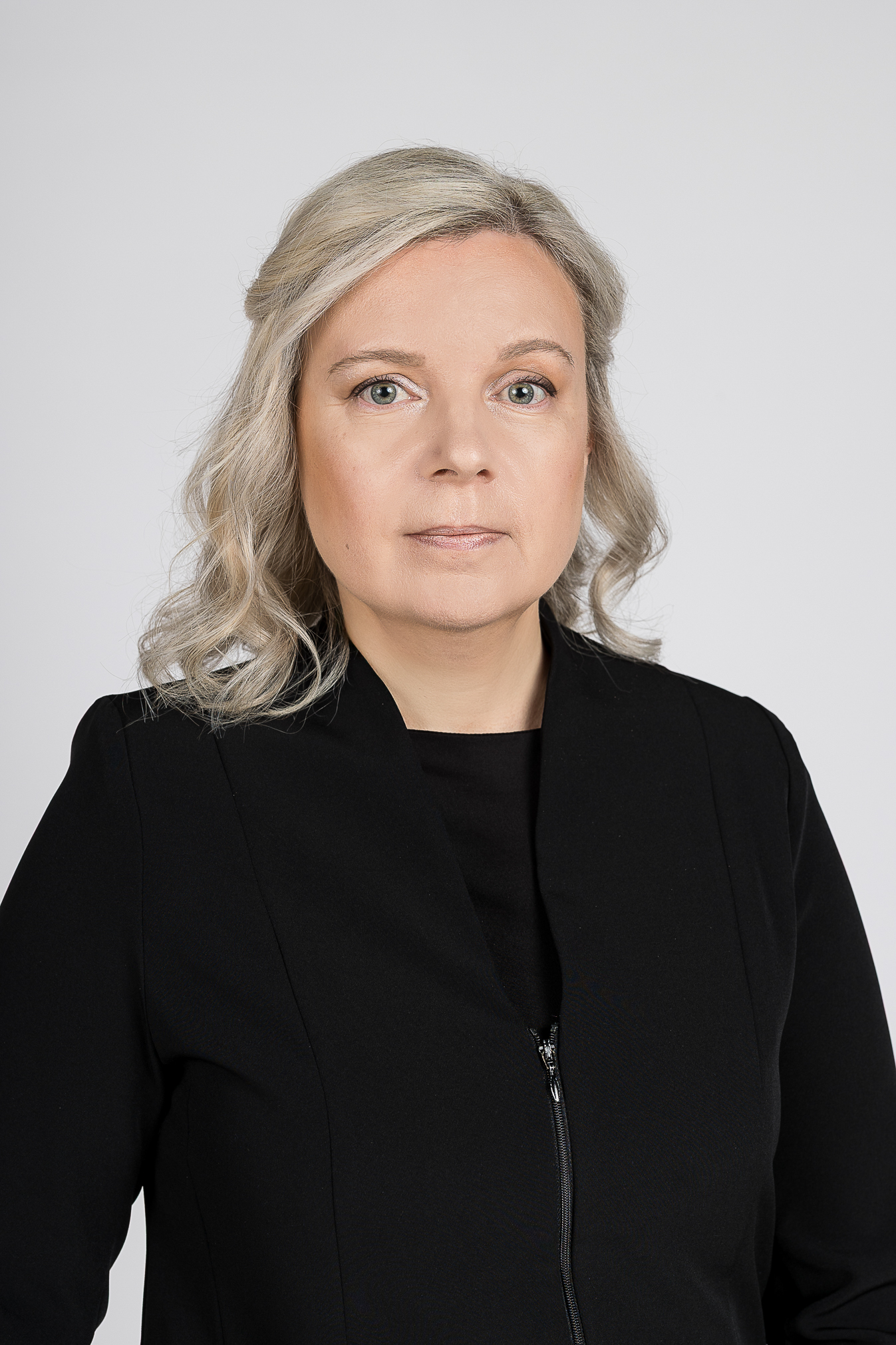

The doctoral dissertation in the field of Social and Public Policy will be examined at the Faculty of Social Sciences and Business Studies at Joensuu Campus and online.


What is the topic of your doctoral research? Why is it important to study the topic?
This research examines credibility assessment practices in religion-based asylum claims. A lack of credibility is often the reason for rejection of asylum claims. However, the processes of credibility assessment remain largely invisible to the general public. Religious persecution continues to drive global displacement, while religion as an asylum ground remains a subject of ongoing academic interest. Recent research has highlighted concerns regarding the consistency and reliability of administrative procedures involving faith-based claims. This study addresses existing knowledge gaps by examining perspectives of practitioners and situating the analysis within the Baltic region – an area that has received limited attention in this context. The findings indicate a diverse spectrum of faith-based asylum claims in the region, the assessment of which requires specialised expertise, as practitioners operate in increasingly complex environments due to growing cultural and religious diversity.
What are the key findings or observations of your doctoral research?
The analysis of credibility assessment practices provides insight into how these processes are carried out, while also identifying underlying factors shaping their development and application. In religion-based asylum claims, officials consider a range of factors, including applicants’ statements on persecution and conditions in their country of origin, material evidence, narrative coherence and detail, and time-related elements. Assessment approaches also include aspects of religious practice and knowledge, participation in religious communities, and, where relevant, change of religion. Occasionally, social media information and observed behavioral indicators are also considered. Asylum practices do not evolve in isolation, but within specific spatiotemporal contexts. In the Baltic region, most claims are based on grounds other than religion, resulting in limited experience and specialised expertise in this area. Recent migration influxes have placed pressure on institutional capacities, influencing both practices and their participants. Policy frameworks also shape asylum procedures; while states must balance the protection of fundamental rights with security concerns, the findings suggest that security considerations tend to take precedence. Current practices could be further developed by strengthening training on asylum ground-specific topics and fundamental rights, as well as enhancing cooperation with religious organisations during asylum procedures.
How can the results of your doctoral research be utilised in practice?
First, this research identifies new training needs. Currently, asylum ground-specific themes are insufficiently addressed in training. Practitioners referred to a range of necessary training topics, including, among others, specific religions and the forms of persecution associated with them, sur place conversions, non-religion, overlaps with other asylum grounds, and cultural and religious diversity in asylum procedures. A dedicated section on training and practical recommendations aims to support further development in this area. From a theoretical perspective, the study contributes to practice-theoretical and street-level bureaucracy frameworks, while emphasising the centrality of time in the context of migration. The identified credibility assessment approaches, together with the integration of Baltic asylum practices into ongoing academic discussions on religion-based claims, offer comparative perspectives for future research.
What are the key research methods and materials used in your doctoral research?
The current study focuses on the perspectives of asylum practitioners. In 2023–2024, I collected qualitative data from the Baltic region, including in-depth interviews with asylum officials, judges, and other key stakeholders in the field of asylum, such as representatives of organisations supporting asylum applicants. The interview data were complemented by training-related focus group discussions, illustrative case law examples, and qualitative questionnaires. The study amplifies the voices of asylum practitioners, as they elaborate on their own practices, while also incorporating perspectives from participants supporting applicants in asylum proceedings. This rich qualitative dataset provides a comprehensive overview of the proceedings of religion-based asylum claims in the Baltic asylum systems.
The doctoral dissertation of Teele Jänes, MA, entitled “Measuring Faith": Credibility Assessment Practices of Religion-Based Asylum Claims in the Baltic States will be examined at the Faculty of Social Sciences and Business Studies. The opponent will be Professor Kati Turtiainen, University of Jyväskylä, and the custos will be Professor Tiina Sotkasiira, University of Eastern Finland. Language of the public defence is English.
For further information, please contact:
MA, Teele Jänes, [email protected]