The doctoral dissertation in the field of Applied Physics will be examined at the Faculty of Science, Forestry and Technology, Kuopio campus.


What is the topic of your doctoral research? Why is it important to study the topic?
My doctoral research investigated how near-infrared spectroscopy, combined with machine learning, can monitor the development of tissue-engineered cartilage without destroying the samples. Cartilage has a limited ability to repair itself, and growing replacement tissue in the laboratory is a promising approach to treating cartilage damage. However, laboratory-grown tissues develop at different rates, even under the same conditions. Conventional tests often require samples to be destroyed, making it difficult to follow the same tissue over time. The research examined how light-based measurements can provide information about cartilage maturity, with a focus on the reliability of these assessments. Such a reliable monitoring approach is important for the reproducible production of cartilage grafts that could help address the unmet need for effective treatments for cartilage defects.
What are the key findings or observations of your doctoral research?
The thesis showed that spectroscopy-based machine learning models can provide information about tissue-engineered cartilage maturity. Models based on light measurements estimated indicators of cartilage matrix formation and cell content. These estimates enabled the classification of the laboratory-grown tissues according to their relative maturity.
The research also addressed a key challenge of this approach: its non-specific nature. It demonstrated how variations in construct components other than the developing tissue can affect the measurements and bias the models’ predictions of tissue development. Accounting for these effects during model development improved accuracy by reducing the associated bias. This highlights the importance of an analysis approach that considers all components of the construct, not just the developing tissue. A setup allowing repeated measurements was also developed and tested as a proof of concept for monitoring changes in the mechanical properties of cell-free hydrogels. Spectroscopy-based models predicted these properties more accurately than models based only on culture time. They also captured changes during incubation that are difficult to follow using conventional tests performed at separate time points. Together, these findings support more informative monitoring while identifying factors that must be considered for reliable assessment.
How can the results of your doctoral research be utilised in practice?
The results can guide the development of more reliable methods based on near-infrared spectroscopy for monitoring laboratory-grown cartilage without destroying it. Reliable monitoring could help researchers follow individual tissues over time, compare methods for growing cartilage and identify when desired properties have been reached. This could reduce reliance on destructive tests and fixed growth periods, which may overlook differences between individual tissues. With further development and validation, the approach could support more consistent production and quality assessment of cartilage grafts, which is essential for bringing cartilage tissue engineering into clinical practice.
What are the key research methods and materials used in your doctoral research?
The research comprised three studies using six types of laboratory-grown cartilage and hydrogels. Light measurements were combined with laboratory tests of composition and mechanical properties. The first study examined how components other than the developing tissue influence measurements and maturity assessment. The second developed machine learning models to estimate indicators of cartilage formation and cell content, which were used to assess relative maturity. The third developed a setup intended for reliable repeated monitoring of hydrogel-based engineered cartilage and tested it using cell-free hydrogels. Models were trained and evaluated using destructive mechanical tests on samples collected at five time points over 28 days. Their performance was compared with models based only on incubation time. The spectroscopy-based models were then used to predict daily changes in hydrogel stiffness throughout the 28 days.
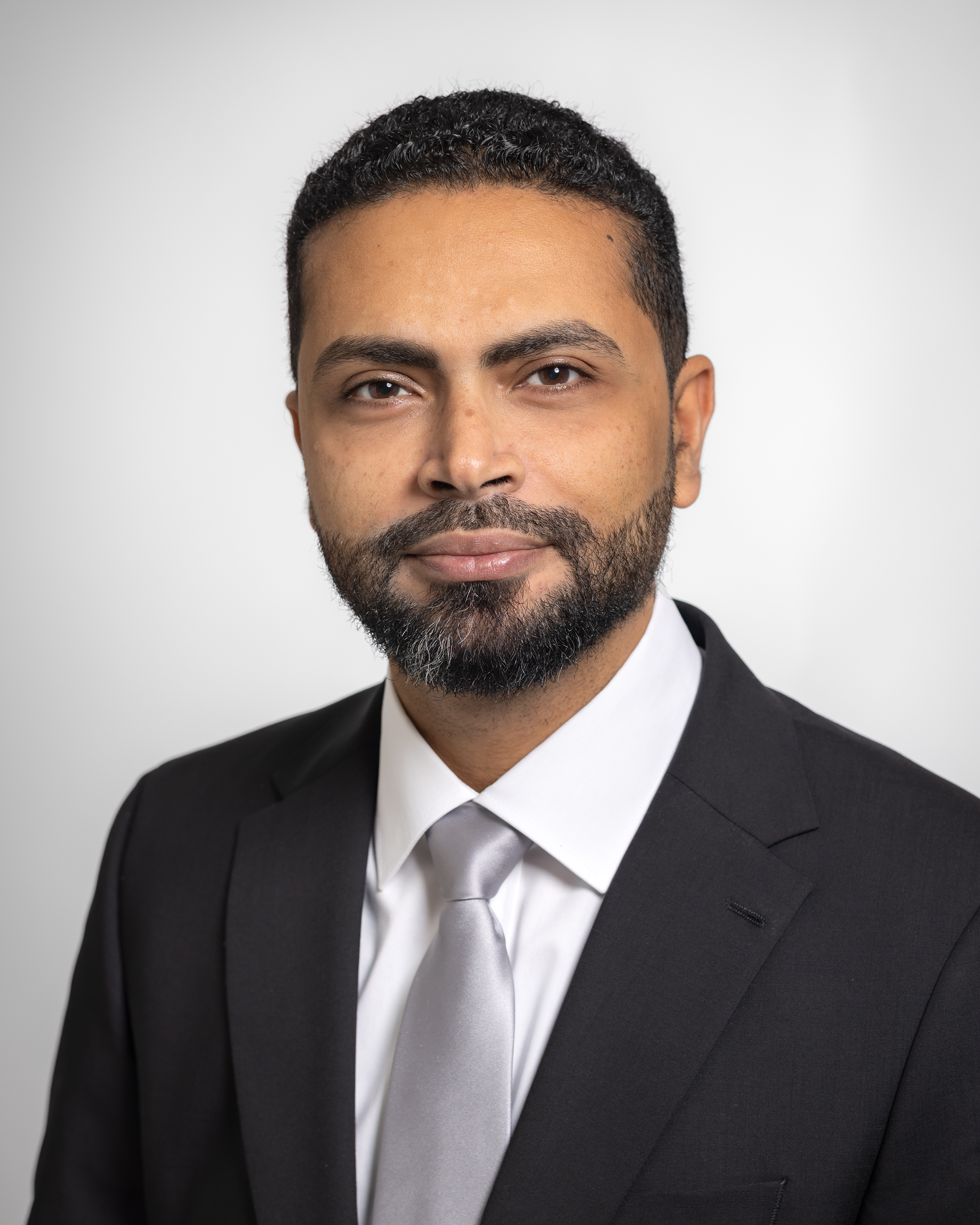
The doctoral dissertation of Omar Anwar Elkadi, MSc, entitled Optimizing near-infrared spectroscopy for continuous monitoring of tissue-engineered cartilage development will be examined at the Faculty of Science, Forestry and Technology, Kuopio campus. The opponent will be Professor Ute Neugebauer, Leibniz Institute for Photonic Technologies (IPHT), Germany, and the custos will be Associate Professor Isaac O. Afara, University of Eastern Finland. Language of the public defence is English.
For further information, please contact:
Omar Anwar Elkadi, [email protected], tel.+358 417 924 100