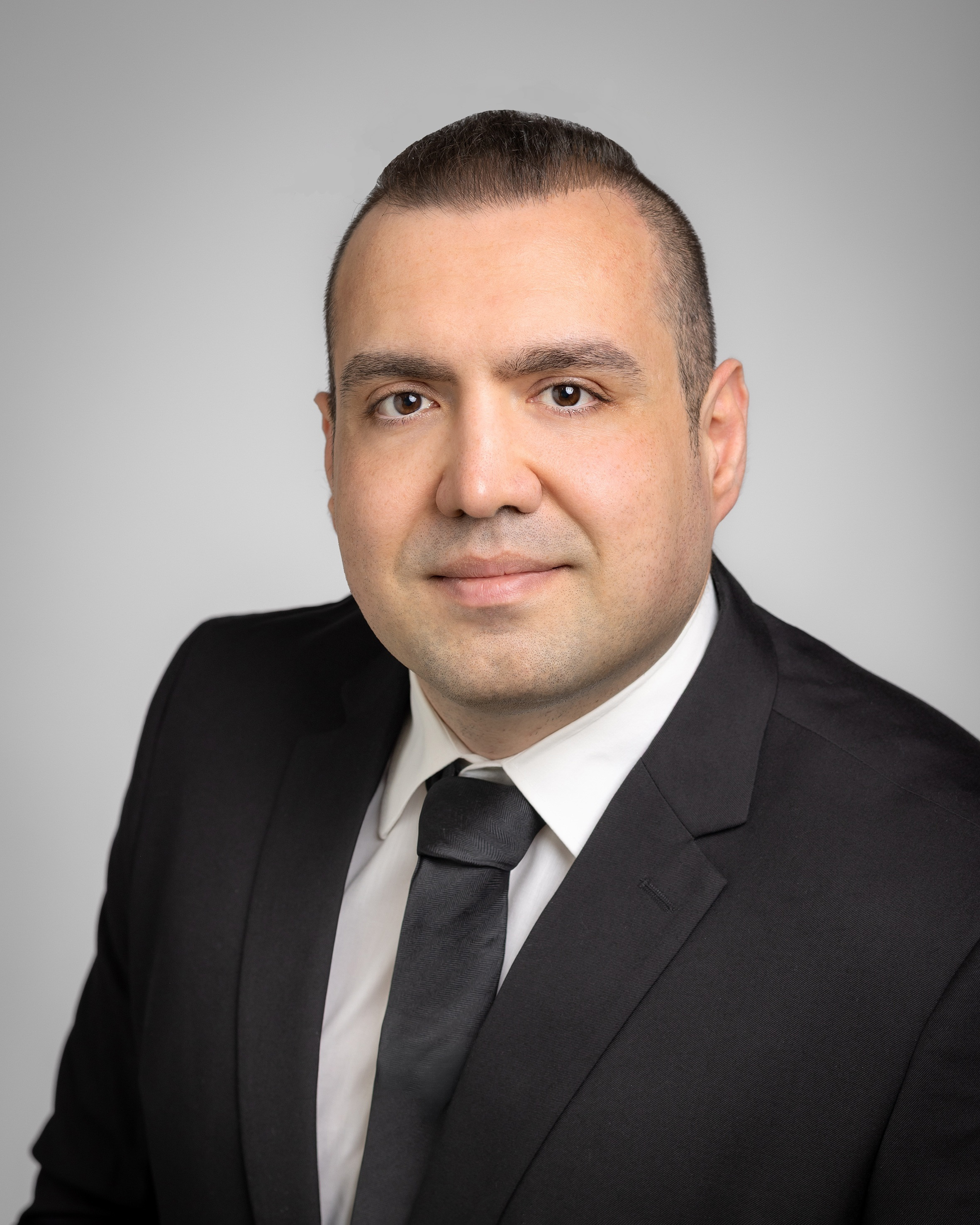

The doctoral dissertation in the field of Social Work will be examined at the Faculty of Social Sciences and Business Studies at Kuopio Campus and online.


What is the topic of your doctoral research? Why is it important to study the topic?
My dissertation examines the mental health of Afghan forced migrants in Finland, focusing on how they understand mental health and its risk factors after resettlement. Afghans are among the largest forced migrant groups in Finland, yet their mental health needs remain poorly understood. Previous research shows that forced migrants experience higher rates of mental health problems than the host population, while simultaneously underusing available services. A key reason is that mainstream services are often built on biomedical assumptions that may not always align with migrants' own cultural understandings of mental health. This research addresses that gap by centering Afghan forced migrants' own perspectives, offering empirical insights for culturally safe mental health social work in Finland.
This research was shaped by the researcher's two years of direct experience working in refugee camps in Iran, where he lived and worked closely with Afghan asylum seekers and refugees, witnessing firsthand both the adversities they faced and the remarkable resilience and agency they demonstrated. This background deepened the commitment to research that amplifies migrants' voices rather than speaking on their behalf. At a time when immigration is a highly debated topic in Finnish society, this dissertation offers a research-based perspective that moves beyond political narratives, centering the everyday realities, strengths, and lived experiences of Afghan forced migrants. The hope is that the findings contribute not only to academic discussions but also to more humane and effective mental health services that recognize and build on the capacities of Afghan communities in Finland.
What are the key findings or observations of your doctoral research?
This dissertation offers three key findings. First, Afghan forced migrants in Finland rarely interpret mental health in biomedical terms. Instead, they describe distress through culturally specific expressions rooted in their values, religion, and lived experiences. This means that Western biomedical models may not feel relevant or accessible to them, contributing to their underuse of mental health services.
Second, four main risk factors to their mental health were identified: challenges of adapting to Finnish society, challenges to traditional masculinity and identity, uncertainty about the future, and domestic violence against women. These findings highlight that mental health cannot be understood in isolation from the social, cultural, and structural conditions people live in.
Third, culturally safe mental health social work that centers migrants' own voices and lived experiences is essential for improving service use and outcomes. Recommendations include integrating mental health education into care, fostering multiprofessional collaboration, and involving community members in social work roles to build trust and reduce stigma.
For the scientific community, results demonstrate the value of integrating socio-ecological and cultural safety frameworks alongside biomedical approaches. For practitioners and policymakers, the dissertation offers service user-centered recommendations for developing mental health services that better support forced migrant communities in Finland.
How can the results of your doctoral research be utilised in practice?
The findings of this dissertation have direct implications for mental health social work practice in Finland. First, social workers and other practitioners working with Afghan forced migrants should be aware that their clients may understand and express mental health very differently from biomedical expectations. Recognizing culturally specific expressions of distress is essential for building trust and encouraging service use. Second, mental health education tailored to Afghan communities can improve mental health literacy and reduce stigma. Third, multiprofessional collaboration between social workers, healthcare providers, and community members can strengthen service delivery. Finally, involving community members in social work roles can bridge cultural gaps and foster trust. At the policy level, the findings call for equal access to mental health services and clear communication of service users' rights.
What are the key research methods and materials used in your doctoral research?
This dissertation combines three sub-studies. The first is a systematic review of 29 international studies published between 2015 and 2021, examining risk and protective factors influencing forced migrants' mental health. The findings were synthesized using a narrative synthesis approach to identify patterns and gaps in existing research. The second and third sub-studies are qualitative, based on semi-structured interviews with 25 Afghan forced migrants residing in Finland, including both refugees and asylum seekers. The interviews explored how participants understand mental health and its risk factors after resettlement. Reflexive thematic analysis was used to interpret the data, capturing both explicit and implicit meanings as well as culturally specific expressions of mental health. These methods allowed the research to move beyond surface-level accounts and center participants' own narratives, making their voices and lived experiences the foundation of the findings.
The doctoral dissertation of Hadi Farahani, M.Soc.Sc., entitled Mental health of Afghan forced migrants in Finland: Towards a culturally safe mental health social work will be examined at the Faculty of Social Sciences and Business Studies. The opponent will be Professor Kati Turtiainen, University of Jyväskylä, and the custos will be Associate Professor Jari Martikainen, University of Eastern Finland. Language of the public defence is English.